
Decomposition Cleanup in San Francisco
When a person passes away and is not discovered for an extended period, the resulting biological contamination is far more severe and structurally invasive than any other type of death scene. Decomposition fluids saturate porous building materials. Volatile organic compounds (VOCs) penetrate drywall, subfloor, insulation, and structural framing. Without comprehensive remediation, odor returns indefinitely — even after surface cleaning — because the contamination source is embedded in the material itself.
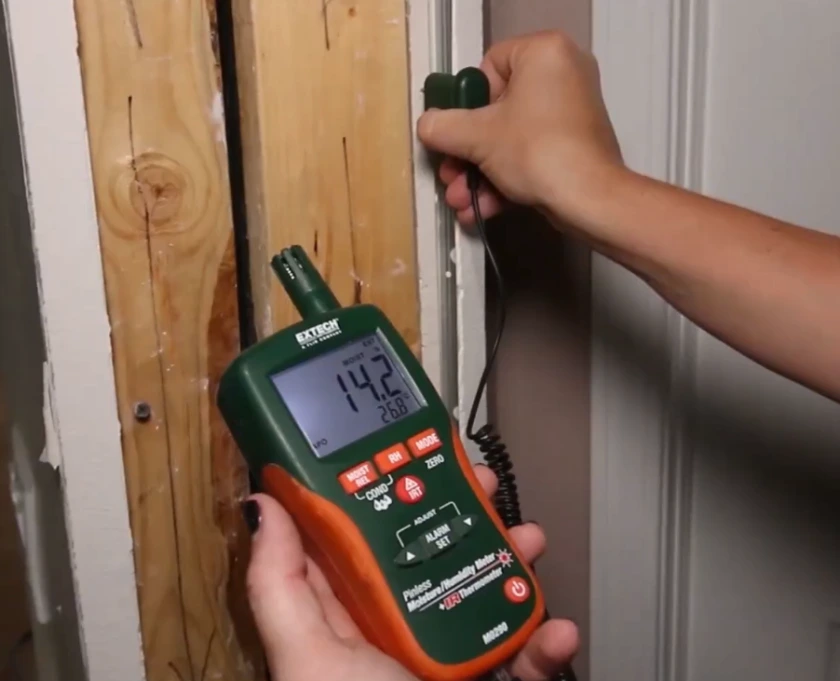
ClearPath specializes in this technically demanding work. Our decomposition remediation protocol goes far beyond surface treatment: we use moisture meters and thermal imaging to map the full extent of fluid migration, assess structural impact, remove saturated materials to their actual extent, and deploy hydroxyl generators for molecular-level VOC elimination. Every job ends with written Certified Clean verification.
Why Decomposition Cleanup Is Different
Decomposition is a multi-stage biological process. As bacterial activity breaks down organic matter, it produces a complex mixture of volatile organic compounds — the primary source of persistent decomposition odor. The four main VOCs are:
Cadaverine & Putrescine
Biogenic diamines produced by bacterial decarboxylation of amino acids. These are the primary contributors to the characteristic decomposition odor and bind readily to porous surfaces.
Indole & Skatole
Aromatic compounds from tryptophan breakdown. Extremely potent at low concentrations — detectable in parts per billion — and highly persistent in porous materials without enzymatic or hydroxyl treatment.
Hydrogen Sulfide
Produced by sulfur-reducing bacteria during putrefaction. Responsible for the sulfurous component of decomposition odor; can penetrate concrete and masonry in extended events.
Methane & Ammonia
Gaseous byproducts of anaerobic decomposition. These compounds contribute to odor within enclosed spaces and can off-gas from contaminated materials for weeks after the event.
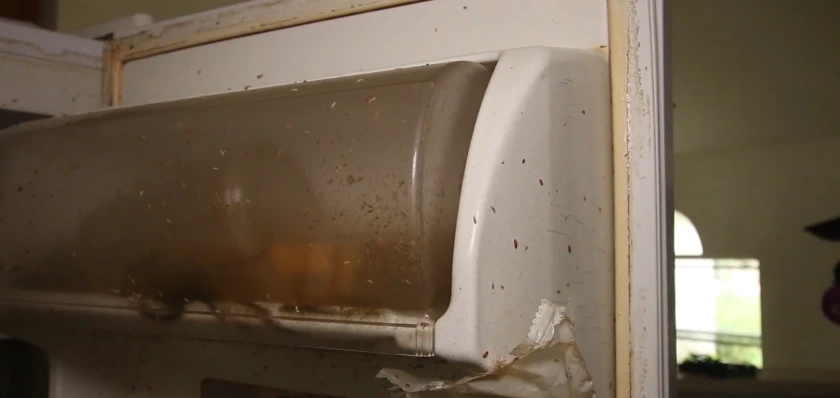
Beyond VOC chemistry, decomposition fluids carry the same bloodborne pathogen risks as fresh blood — HIV, HBV, HCV, and MRSA — along with additional biological hazards from advanced bacterial activity. All decomposition cleanup is performed under full Cal/OSHA §5193 Bloodborne Pathogen Standard protocols, with appropriate PPE and licensed medical waste disposal.
Decomposition in San Francisco's Historic Building Stock
San Francisco's housing stock presents challenges unique to this city. Roughly 60% of the city's residential buildings were constructed before 1940 — Victorians, Edwardians, Craftsman flats — built with porous old-growth fir subfloor, lath-and-plaster walls, minimal vapor barriers, and unsealed floor cavities. In these properties, decomposition fluid migration is both faster and deeper than in modern construction.
- Unsealed wood subfloor: Old-growth fir, often with no vapor barrier beneath, absorbs decomposition fluid readily. Full saturation through subfloor and into joists is common in extended events, requiring removal to the full extent of contamination.
- Lath-and-plaster walls: The cavity between lath strips allows fluid and vapor migration laterally through wall assemblies — contamination spreads farther than the visible surface suggests.
- Multi-unit vertical stacking: SF's predominant building type — four to six units stacked vertically — means fluids can migrate through floor assemblies into the ceiling of the unit below. ClearPath assesses adjacent units as a standard part of every decomposition job.
- Fog and humidity: San Francisco's marine climate keeps indoor humidity elevated. High humidity accelerates bacterial activity during the event and slows drying of saturated materials after remediation — a factor that makes post-remediation drying protocols more demanding here than in drier California markets.
- Warm microclimates: Neighborhoods like the Mission, Excelsior, and SoMa experience San Francisco's warmest temperatures, which accelerate decomposition timelines when a death goes undiscovered in the summer months.
ClearPath's Decomposition Cleanup Process
Structural Assessment & Contamination Mapping
Before removing a single item, ClearPath technicians conduct a full structural assessment using moisture meters and thermal imaging cameras. We map decomposition fluid migration beyond the visible surface to determine the true extent of contamination in flooring assemblies, wall cavities, and adjacent units. This prevents the most common failure mode in decomposition cleanup: undercutting material removal and leaving embedded contamination behind.
Containment, PPE, & Negative Air Pressure
The affected area is contained with poly sheeting and negative air pressure HEPA units to prevent cross-contamination of unaffected areas and to begin pulling airborne VOCs through filtration. All technicians are in full PPE consistent with Cal/OSHA §5193 requirements, including Tyvek suits, N95 or higher respiratory protection, gloves, and eye protection appropriate to the exposure level.
Material Removal & Surface Decontamination
All biological material is removed and placed in DOT-compliant biohazard containers. Saturated porous materials — carpet, padding, subfloor, floor joists, drywall, insulation — are removed to the extent confirmed by moisture mapping. All remaining structural surfaces are treated with EPA-registered hospital-grade disinfectants and enzymatic neutralizers, with proper dwell times verified before moving to the deodorization phase. All removed materials are transported by licensed California medical waste carriers.
Hydroxyl Deodorization, Air Quality Testing & Written Clearance
Industrial hydroxyl generators are deployed throughout the affected area for molecular-level VOC elimination. Unlike ozone, hydroxyl treatment is safe for occupied buildings and does not mask odors — it chemically breaks down the VOC compounds themselves. Post-remediation air quality testing and ATP swab testing verify complete elimination before ClearPath issues a written Certified Clean document confirming the space is safe for re-occupancy and restoration.
For San Francisco Landlords and Property Managers
When a tenant passes away undiscovered in your property, you face both a human tragedy and urgent property obligations. The situation involves multiple parties — the OCME, SFPD, the estate, insurance carriers, and potentially neighboring tenants — and the timeline for remediation matters both for property restoration and legal habitability compliance.
- California Civil Code §1941 requires landlords to maintain units in a habitable condition. A unit with active decomposition contamination does not meet habitability standards.
- Adjacent unit assessment is included at no additional cost — fluid migration through floor assemblies in multi-unit buildings is common and must be evaluated before the property can be re-occupied.
- Estate coordination — ClearPath can work directly with the property owner, estate attorney, or public administrator. Families of the deceased are not typically responsible for property restoration costs.
- Documentation package — moisture testing results, thermal imaging reports, scope of work, compliance records, and written clearance, all in adjuster-ready format.
- Timeline transparency — written scope and timeline estimate provided before work begins. No surprise additions mid-job.
Insurance Coverage for Decomposition Cleanup
California homeowner, landlord, and commercial property policies frequently cover decomposition cleanup under property damage provisions. The complexity of decomposition jobs — particularly structural material removal — makes documentation quality especially important for a successful claim.
ClearPath is not a public adjuster. Coverage is subject to your individual policy terms. Always confirm with your carrier.
Service Areas — San Francisco
Decomposition Cleanup FAQ — San Francisco
Why does decomposition odor persist even after surface cleaning?
How deep can decomposition fluids penetrate a floor?
Is decomposition cleanup covered by homeowner's or landlord's insurance?
Who is responsible for decomposition cleanup in a rental property?
Can decomposition odor return after cleanup?
Expert Decomposition Cleanup in San Francisco
Moisture mapping, thermal imaging, hydroxyl generation, written clearance. ClearPath responds within 2 hours, anywhere in San Francisco.
(628) 202-8803 Request Free Quote